
Cannabis May Ease Some Symptoms of Grief
Grief is a normal response to losing someone or something important. It may disrupt sleep, appetite, concentration and daily routines, but distress does not automatically mean that someone has post-traumatic stress disorder (PTSD). The claim that three out of four people develop PTSD after the death of a loved one is not a reliable general estimate. Most people gradually adapt to bereavement, although some develop depression, PTSD or prolonged grief disorder.
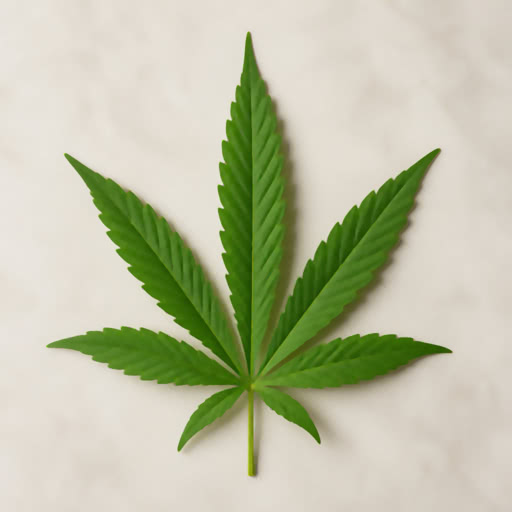
Cannabis is sometimes used to manage anxiety, emotional distress, insomnia or physical discomfort during mourning. However, there is no strong clinical evidence that cannabis treats grief itself. A 2021 pilot study of 64 adults aged 50 and older examined naturally occurring endocannabinoids—signaling molecules related to the body’s endocannabinoid system—in people grieving the death of a loved one. Participants with higher levels of one endocannabinoid, 2-AG, showed faster improvement in grief symptoms over six months. The study did not test cannabis or prove that consuming it improves grief; it identified a possible biological association that requires further research.
This distinction matters. The endocannabinoid system is involved in stress, mood and emotional regulation, but the presence of cannabinoid receptors does not establish that marijuana is an effective treatment. THC and CBD can affect people differently, and THC may produce relaxation for some while triggering anxiety, paranoia, disorientation or unpleasant thoughts for others. A 2024 systematic review of cannabis and PTSD found mixed results and no major overall benefit, with some studies reporting worsening symptoms or other risks.
People considering cannabis while grieving should discuss it with a doctor or mental-health professional, particularly if they take prescription medicines, have a history of depression, anxiety, bipolar disorder, psychosis or substance-use problems, or are pregnant or breastfeeding. Cannabis can become habit-forming, and it should not be combined with alcohol or other sedating substances. Edibles can take much longer to take effect than inhaled products, making it easier to consume more than intended. Cannabis can also impair judgment, coordination and reaction time, so do not drive after using it. Additional safety information is available from the Centers for Disease Control and Prevention.
If someone chooses to use cannabis, the safest approach is to avoid treating it as the primary answer to grief, use the lowest effective amount, avoid frequent or escalating use, and stop if anxiety, panic, paranoia or worsening mood occurs. Cannabis may temporarily change how grief feels, but emotional numbing is not the same as processing a loss—and relying on it to sleep or cope can make it harder to recognize when professional help is needed.
Support from friends, family, grief groups and a qualified therapist can help people move through bereavement. Persistent symptoms that interfere with daily life, including intense yearning, hopelessness, severe isolation, inability to function or thoughts of self-harm, deserve prompt evaluation. Evidence-based treatments are available for prolonged grief disorder, and grief does not need to be faced alone. In the United States, anyone in immediate emotional distress or thinking about suicide can call or text 988 for the Suicide & Crisis Lifeline.