
Cannabis Has Served as Food, Fiber, Medicine, and Ritual Plant for Millennia
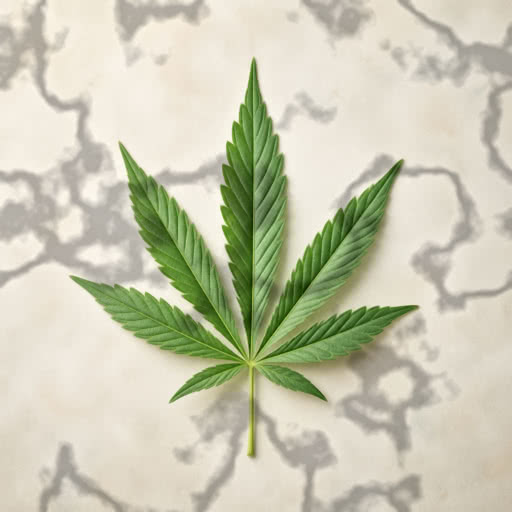
Cannabis has been cultivated and used by human societies for thousands of years, long before its modern association with recreational drugs. A 2023 review published in the European Journal of Chemistry traces the plant’s history from ancient fiber production and food use to religious ceremonies, traditional medicine, and the modern science of cannabinoids.
Written by Gabriel Vitor de Lima Marques and Renata Barbosa de Oliveira of Brazil’s Federal University of Minas Gerais, the paper is a historical and chemical review—not a new archaeological or clinical study. The authors synthesize earlier evidence about how different societies cultivated and used plants in the Cannabis genus.
One of the plant’s earliest important roles was as a source of fiber. The review describes archaeological evidence for hemp textiles in Mesopotamia dating to roughly 8000 BCE, while hemp ropes have been associated with sites in China dating to about 4000 BCE and Kazakhstan dating to about 3000 BCE. The durable, water-resistant fibers were used for rope, sails, rigging, clothing, paper, and other everyday materials.
Cannabis seeds also provided food and oil. The authors note that the seeds contain protein and unsaturated fatty acids and were used in culinary preparations and soap production. In parts of the Himalayas, including Nepal, seeds have continued to play a role in traditional diets, although cannabis is not a staple food for most contemporary communities.
The plant’s intoxicating and medicinal uses emerged in several cultural settings. The review links cannabis to ancient Chinese traditions, including references associated with the Pen Ts’ao Ching, a pharmacopoeia compiled around the first century CE that incorporated traditions said to reach back to approximately 2700 BCE. In India, the authors describe cannabis use by about 1000 BCE in religious, therapeutic, and intoxicating preparations. Forms such as bhang, ganja, and charas differed in their plant material and resin content.
Within Indian religious and social traditions, cannabis preparations were associated with festivals, weddings, family gatherings, and ceremonies. Ayurvedic sources described a wide range of applications, including relief of pain and spasms, appetite stimulation, and other therapeutic purposes. These historical accounts document traditional use, however; they do not by themselves establish that cannabis was effective or safe for every condition for which it was prescribed.
The review also follows cannabis through the Middle East, Africa, Europe, and the Americas. It describes the use of cannabis-based incense and medicinal preparations in parts of the Mesopotamian and Persian regions, as well as the plant’s movement into Africa and Brazil through trade and forced migration. During the 19th century, physicians such as William Brooke O’Shaughnessy helped introduce cannabis preparations, including tinctures and extracts, into Western medicine.
Interest in medical cannabis later declined as standardized pharmaceuticals became more widely available and cannabis products proved difficult to dose consistently. The plant’s chemistry was also poorly understood. Researchers initially investigated compounds such as cannabinol before the structures and properties of cannabidiol and tetrahydrocannabinol became clearer in the 20th century. Research in the 1960s, including the structural identification of THC, helped establish the modern field of cannabinoid science.
That scientific history is summarized in greater detail by this PubMed-indexed review of cannabis as medicine, which also describes the later discovery of cannabinoid receptors and the body’s endocannabinoid system. The history of cannabis and the endocannabinoid system provides additional context on the plant’s global spread and the development of contemporary cannabinoid research.
Today, cannabis policy and medical use vary widely by jurisdiction. Historical importance should not be confused with proof of modern medical benefit: the U.S. Food and Drug Administration notes that it has approved one cannabis-derived prescription drug, Epidiolex, along with several synthetic cannabis-related medicines, but has not approved cannabis itself to treat any disease. Its official overview of cannabis research and drug approval explains the distinction between traditional use, commercial products, and evidence-based medicines.
The central lesson of the 2023 review is that cannabis has never had a single fixed role in human society. Across different eras and regions, people have used it for food, textiles, ritual, medicine, and intoxication. Understanding that long history can inform present-day research and policy, but it does not replace careful evaluation of the plant’s benefits, risks, and appropriate uses.