Cannabis Aroma Is More Complex Than Its Terpene Label
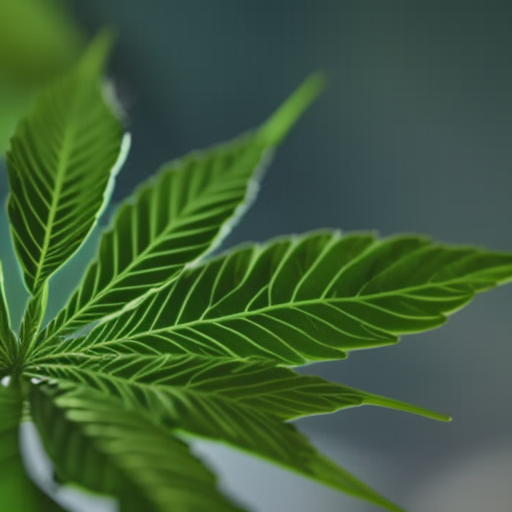
Terpenes are among the best-known chemical compounds in cannabis, but their importance extends beyond the familiar labels attached to aromas such as citrus, pine, pepper and lavender. These volatile molecules help shape the scent of Cannabis sativa and are being investigated for possible effects on inflammation, pain, anxiety and sleep. At the same time, much of the popular discussion about cannabis terpenes runs ahead of the clinical evidence.
Cannabis produces terpenes in glandular trichomes, alongside cannabinoids such as tetrahydrocannabinol (THC) and cannabidiol (CBD). More than 150 terpenes have been identified across cannabis varieties, although only a subset typically appears in measurable amounts in a given sample. Their concentrations vary with genetics, cultivation, harvest, storage and processing.
Terpenes are also only part of the aroma story. A 2023 chemical and sensory analysis found that differences between cannabis varieties with distinctive “sweet” or “savory” aromas were often associated with minor, nonterpenoid volatile compounds rather than large differences in the major terpenes. The researchers identified volatile sulfur compounds linked to some citrus aromas and skatole associated with others. The findings suggest that terpene profiles can help describe cannabis, but they do not fully explain how every variety smells. Read the original study on the minor compounds that drive cannabis aroma differences.
What the major terpenes may contribute
Myrcene has an earthy, herbal aroma and is commonly found in cannabis as well as plants such as hops. Laboratory and animal research has examined its potential anti-inflammatory, analgesic and sedative-related effects. Those findings do not establish that a high-myrcene cannabis product will reliably treat insomnia or chronic pain in people, however. Human evidence remains limited.
Limonene produces a citrus-like aroma and has been studied for possible effects on mood, anxiety, inflammation and pain. Some anticancer findings have also been reported in preclinical models, but results from cells or animals cannot be translated directly into an effective cancer treatment. Limonene should therefore be regarded as a research subject, not a proven anticancer therapy.
β-Caryophyllene has a peppery, spicy scent and is unusual among cannabis terpenes because it can activate the CB2 cannabinoid receptor in experimental systems. It is sometimes described as a “dietary cannabinoid.” That activity has made it a leading candidate for research into inflammation and pain, but receptor activity alone does not demonstrate a clinical benefit from cannabis products containing the compound.
α-Pinene and β-pinene contribute pine-like aromas. Researchers have investigated pinene in connection with inflammation, pain, airway effects and cognition. Claims that pinene reliably prevents THC-related memory impairment or acts as a bronchodilator in patients remain unconfirmed and should not be used as a substitute for established respiratory or cognitive treatments.
Linalool, associated with lavender-like aromas, has been studied for possible calming, anticonvulsant and analgesic effects. Some proposed mechanisms involve neurotransmitter systems such as GABA, but much of the evidence comes from preclinical research. The presence of linalool on a product label does not by itself predict that the product will reduce anxiety or improve sleep.
A review of cannabis-derived terpenes has summarized possible analgesic and anti-inflammatory mechanisms for myrcene, limonene, pinene, linalool and β-caryophyllene, while emphasizing the need for better clinical research. The evidence is strongest as a basis for further investigation—not for assigning a guaranteed medical effect to an individual terpene.
The “entourage effect” remains a hypothesis
The idea that cannabinoids, terpenes and other cannabis compounds work better together is commonly called the “entourage effect.” It is biologically plausible that plant compounds could interact, and some laboratory and observational studies have reported differences between whole-plant preparations and isolated compounds. However, the effect is not yet a stable or predictable clinical principle.
Several controlled laboratory studies have found that common cannabis terpenes do not alter THC activity at human CB1 or CB2 receptors under the tested conditions. Reviews of the broader literature likewise conclude that evidence for a clinically meaningful terpene-driven entourage effect remains limited. Product marketing should therefore be more cautious than claims suggesting that a particular terpene combination will produce a predictable mood, level of sedation or therapeutic outcome.
Processing can change the chemical profile
Terpenes are volatile, so heat, air exposure, extraction and storage can change their concentrations. Research comparing cannabis flower with vaporized material found that the more volatile monoterpenes can be lost rapidly during heating, while combustion produces a different mixture that includes pyrolytic by-products. The resulting aroma and chemical exposure may differ substantially from those of unheated flower.
These changes matter when manufacturers describe products as “full spectrum.” A processed extract may contain many of the plant’s cannabinoids and terpenes without reproducing the original proportions found in fresh or dried flower. Reintroduced terpenes may restore selected aroma compounds, but they do not necessarily recreate the complete chemical profile of the plant.
For patients and clinicians, terpene information can be useful as one part of product characterization. Labels should ideally identify measured cannabinoid and terpene concentrations, explain whether the product contains added terpenes, and distinguish laboratory findings from demonstrated clinical benefits. Commercial strain names are less informative than a verified chemical profile, but even a detailed profile cannot predict an individual response with certainty.
Terpenes clearly contribute to cannabis aroma and may have pharmacological effects of their own. Yet the science supports a measured conclusion: they are promising research targets, not stand-alone explanations for how cannabis works. Understanding cannabis will require chemical analysis that includes terpenes, minor volatile compounds, cannabinoids and the effects of processing—alongside well-designed clinical trials that test whether those differences matter to patients.
People using cannabis for a medical condition should discuss potential benefits, side effects and drug interactions with a qualified health professional. Terpene content should not be treated as a substitute for medical advice or evidence-based treatment.