Cannabis Edibles: How They Work, What to Expect and How to Use Them Safely
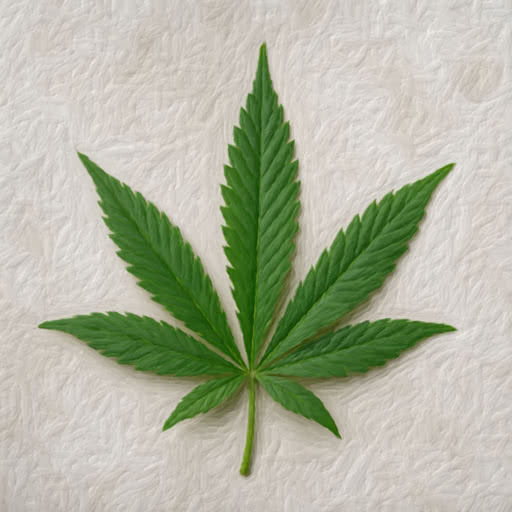
For people considering cannabis for symptom relief, edibles offer an alternative to smoking or vaping. They may be appealing because they do not produce smoke or require inhalation equipment, but their delayed and sometimes unpredictable effects make careful dosing especially important.
Cannabis can affect people differently depending on the product’s THC concentration, the amount consumed, whether it is taken with food, other medicines or alcohol, previous cannabis experience, and a person’s overall health. Before using an edible for a medical condition, discuss the option with a qualified healthcare professional or pharmacist.
What are cannabis edibles?
Edibles are cannabis products consumed by mouth rather than inhaled. They include gummies, chocolates, baked goods, hard candies, beverages, capsules and tablets. Products may contain THC, the compound responsible for cannabis’s intoxicating effects, CBD, or both.
Not every product marketed as a cannabis or CBD edible has been evaluated for safety, quality or effectiveness. The U.S. Food and Drug Administration’s guidance on cannabis- and CBD-derived products explains what is known about these products and where important uncertainties remain.
Why do some people choose edibles?
- No smoke or inhalation: Edibles avoid the respiratory exposure associated with smoking. That does not make cannabis risk-free, however, and people with heart, lung or other medical conditions should seek individualized medical advice.
- Discreet use: Once an edible has been consumed, it does not create the lingering smoke associated with cannabis use.
- No special equipment: Unlike smoking or vaping, edibles do not require a pipe, vaporizer or other device.
- Longer-lasting effects: Oral cannabis generally takes longer to produce effects than inhaled cannabis, but the effects may last longer. This can be useful for some people and uncomfortable for others.
How quickly do edibles work?
Inhaled cannabis can produce noticeable effects within minutes. Edibles are slower: effects may begin anywhere from about 30 minutes to two hours after consumption, and the full impact may take longer. The Centers for Disease Control and Prevention’s information on cannabis poisoning warns that this delay can lead people to consume more before the first dose has taken effect.
This is one of the most important differences between edibles and inhaled cannabis. Do not assume that a lack of immediate effects means the product is not working. Follow the product label and any instructions from your healthcare professional, and avoid taking additional THC until you have allowed sufficient time to assess the first dose.
How should a first-time user approach an edible?
Choose a product with clearly stated THC content and use the smallest amount recommended by a healthcare professional or the product label. If you are new to THC, a low-THC product may be easier to evaluate than a high-potency edible.
Read the label carefully to distinguish the amount of THC in one serving from the amount in the entire package. Product strength can be difficult to measure, and the labeled amount may not always accurately reflect the contents. Avoid combining cannabis with alcohol or other intoxicating substances, and ask a doctor or pharmacist about possible interactions with prescription or over-the-counter medicines.
Until you know how the product affects you, do not drive, operate machinery, care for someone who depends on you, or make important decisions. Effects can be prolonged and may impair reaction time, coordination, judgment and perception.
What types of edibles are available?
Depending on local laws and the regulated products available in your area, edibles may include gummies, mints, chocolates, baked goods, beverages, capsules and tablets. Potency can range from very low-dose products to highly concentrated items. A larger package does not necessarily represent a single dose, so check both the serving size and the total THC content.
Where cannabis products are legal, purchase them from a licensed retailer when possible. Packaging, testing and labeling requirements vary by jurisdiction, and products from unregulated sources may have uncertain potency or ingredients.
What are the risks and side effects?
Taking too much THC can cause intense drowsiness, anxiety, panic, paranoia, confusion, a rapid heartbeat, hallucinations, nausea or vomiting. The risk is higher with edibles because their effects are delayed and can last longer than expected. Cannabis can also impair driving and may have stronger effects when combined with alcohol or other drugs.
Keep all cannabis products in their original, child-resistant packaging and store them locked away from children and pets. Some edibles resemble ordinary candy or snacks, and accidental ingestion can make children seriously ill. If a child or pet consumes an edible, contact a poison control center or seek emergency help immediately. In the United States, Poison Control can be reached at 1-800-222-1222; call 911 for an emergency.
People who are pregnant or breastfeeding should avoid THC, CBD and marijuana products. The FDA strongly advises against cannabis and CBD use during pregnancy and breastfeeding.
The bottom line
Edibles may be useful for some adults who prefer not to smoke or vape, but they are not automatically safer or more predictable. Their effects take longer to appear, product strength may be uncertain, and taking too much can result in significant impairment or poisoning.
If you are considering an edible for pain, anxiety, sleep problems or another health condition, speak with a healthcare professional who knows your medical history and medications. Start cautiously, follow the label, avoid mixing substances, never drive after using THC, and store products securely.