CBD Flower Risks: What Users Should Know About Drug Interactions, Smoke Exposure and Product Quality
CBD flower is often presented as a natural alternative for managing pain, anxiety, sleep problems and other conditions. But “natural” does not mean risk-free—and the safety evidence for dried hemp flower is much thinner than many product claims suggest.
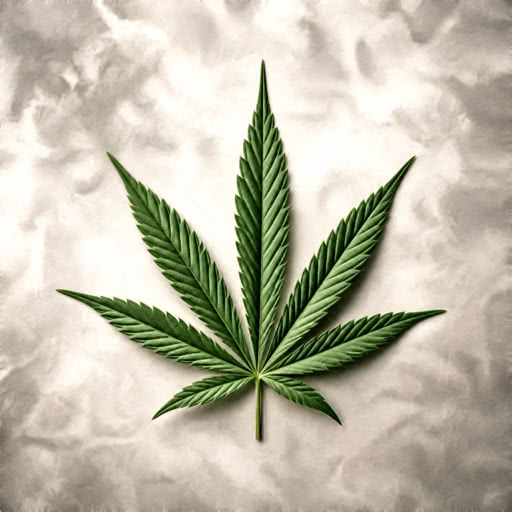
CBD flower consists of the flowering tops of hemp, a form of Cannabis sativa that contains cannabidiol (CBD) and small amounts of tetrahydrocannabinol (THC). In the United States, federal law defines hemp as cannabis containing no more than 0.3% delta-9 THC by dry weight, although state laws and retail-product requirements vary. Products marketed as hemp may still contain measurable THC, and CBD flower can produce intoxicating effects if its THC content is higher than expected.
Most clinical safety data do not come from smoked CBD flower
Much of what researchers know about CBD safety comes from studies of purified, orally administered CBD—not from people smoking or vaping hemp flower. A 2022 systematic review of randomized clinical trials found that reported side effects were generally mild or moderate, with diarrhea, sleepiness, reduced appetite and elevated liver enzymes among the more common findings. The review also emphasized that CBD can interact with other medicines and that the available studies were limited.
That distinction matters. A dose of purified CBD taken by mouth is not equivalent to inhaling combusted plant material. The amount absorbed can vary substantially depending on the product, dose, method of use and individual response.
CBD can interact with medicines
CBD may change how the body processes other drugs, potentially increasing or decreasing their effects. This is especially important for medicines with a narrow safety margin and for drugs that cause drowsiness. Documented concerns include interactions involving some antiseizure medicines, sedatives and other drugs metabolized by liver enzymes.
The U.S. Food and Drug Administration warns that CBD can affect the way other medicines work and that combining it with alcohol or drugs that slow brain activity may increase sleepiness and the risk of injury. Anyone taking prescription or over-the-counter medication should speak with a doctor or pharmacist before using CBD flower, particularly people taking antiseizure drugs, blood thinners, sedatives or medicines for psychiatric conditions.
Possible side effects include sleepiness and liver injury
Reported CBD side effects can include diarrhea, nausea, reduced appetite, dizziness, fatigue, sleepiness and sedation. These effects may be more likely at higher doses or when CBD is combined with other substances that depress the central nervous system.
Liver injury is a more serious concern. The risk appears to be greater with high doses and in people taking certain other medicines. The FDA’s consumer guidance on CBD identifies liver injury as a potential risk and notes that safety findings from the approved prescription CBD drug were obtained under medical supervision. People who develop unusual fatigue, nausea, abdominal pain, dark urine or yellowing of the skin or eyes should stop using the product and seek medical advice promptly.
Smoking or vaping adds respiratory risks
Even if the CBD itself does not cause intoxication, smoking flower exposes the lungs to hot smoke and combustion byproducts. The Centers for Disease Control and Prevention’s review of cannabis and lung health notes that cannabis smoke contains many of the same toxins, irritants and carcinogens found in tobacco smoke. Smoking cannabis is also associated with cough, mucus production and a greater risk of bronchitis symptoms.
Those findings do not establish that CBD flower causes every long-term lung disease associated with smoking, and research specific to CBD flower remains limited. They do support avoiding inhaled products if you have asthma, chronic bronchitis, chronic obstructive pulmonary disease or another respiratory condition. Vaping is not automatically harmless; the safety of inhaling vaporized cannabinoids depends on the device, temperature, additives and contaminants in the product.
Product quality can be unpredictable
CBD flower and other hemp products are not necessarily manufactured with the same controls applied to approved prescription medicines. Labels may inaccurately state the amount of CBD or THC, and products may contain other cannabinoids, pesticides, heavy metals, residual solvents or microbial contaminants.
In a 2024 analysis of 202 commercially available CBD products, researchers found substantial discrepancies between labeled and measured potency. They also detected heavy metals, residual solvents and pesticides in some samples; a small number exceeded regulatory thresholds. The study did not test every CBD product on the market, and its findings cannot be applied to every brand, but they illustrate why product quality is a meaningful safety concern.
Consumers who use CBD products should look for batch-specific, independent laboratory results that identify CBD and THC concentrations and report contaminant testing. A certificate of analysis is useful, but it is not a guarantee that a product is safe, accurately represented or appropriate for a particular medical condition.
Use extra caution during pregnancy and breastfeeding
Safety data for CBD during pregnancy and breastfeeding are inadequate. The FDA warns that CBD products may contain THC or other contaminants that could pose risks to a fetus or breastfed infant. People who are pregnant, trying to become pregnant or breastfeeding should avoid CBD unless they have discussed the risks with a qualified health professional.
CBD flower may have legitimate uses for some people, but it should not be treated as a risk-free remedy or as a substitute for medical care. The safest approach is to avoid smoking or vaping it, start only after reviewing potential drug interactions with a clinician, and seek medical help if severe sleepiness, breathing difficulty, signs of an allergic reaction or symptoms of liver injury occur.