Cannabis Use Was Linked to Lower Odds of Kidney Stones in Men, but Not Women
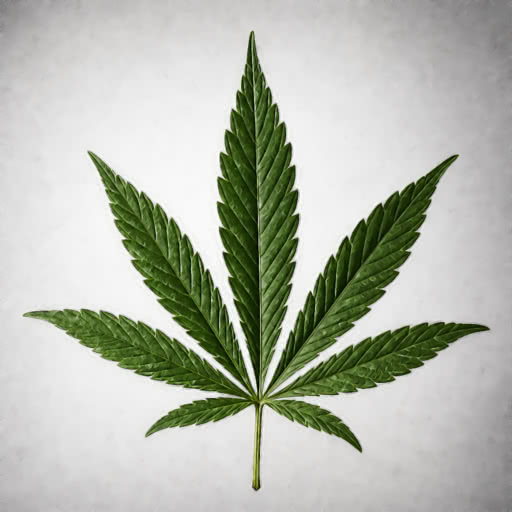
A 2023 analysis found that men who reported marijuana use had lower odds of reporting a history of kidney stones. The finding came from an observational study, however, and does not show that cannabis prevents nephrolithiasis or should be used to treat it.
The study, published in Frontiers in Pharmacology, analyzed data from five cycles of the U.S. National Health and Nutrition Examination Survey collected between 2009 and 2018. Researchers examined 14,324 adults ages 20 to 59 who had information available about marijuana use and kidney-stone history.
Participants reported whether they had ever used marijuana or hashish and whether they had used it at least once a month for more than a year. Kidney-stone history was based on the question, “Have you ever had kidney stones?” The researchers then used weighted logistic regression models to account for factors including age, race and ethnicity, education, income, body mass index, smoking, physical activity, diabetes, hypertension, and coronary heart disease.
After adjustment, marijuana use was associated with lower odds of kidney stones among men, with an odds ratio of 0.72. Men who reported using marijuana one to six times per week also had lower odds, with an odds ratio of 0.62. The study did not find a statistically significant association among women or in the overall sample.
Kidney stones are hard deposits made from minerals and salts that form in the kidneys. They may pass through the urinary tract on their own, although larger stones can cause severe pain, become obstructed, or require medical procedures. The National Institute of Diabetes and Digestive and Kidney Diseases identifies factors such as dehydration, diet, family history, certain medical conditions, and previous stones as relevant to kidney-stone risk.
The researchers proposed several possible explanations for their finding. Earlier laboratory and animal research has suggested that cannabinoids may increase urine output, while cannabidiol has demonstrated anti-inflammatory and antioxidant activity in experimental settings. Because inflammation and oxidative stress are involved in some processes related to crystal formation, the authors speculated that these effects might be relevant. Those mechanisms were not tested directly in this study and should not be treated as established explanations in humans.
The study has important limitations. It was cross-sectional, meaning marijuana use and kidney-stone history were assessed at the same time. Both measures were self-reported, and the kidney-stone question captured whether someone had ever had a stone rather than when it occurred or how often it recurred. The analysis also cannot rule out unmeasured differences between cannabis users and nonusers.
As a result, the findings describe an association—not a protective effect. Prospective studies and clinical research would be needed to determine whether cannabis, a particular cannabinoid, or another factor associated with marijuana use influences kidney-stone formation. People with symptoms such as severe flank pain, blood in the urine, fever, vomiting, or difficulty urinating should seek medical care rather than attempt to manage a possible stone with cannabis.