Cannabis Plant Anatomy: From Roots and Leaves to Resin-Producing Trichomes
Cannabis sativa is an annual flowering plant whose familiar appearance—upright stems, palmate leaves and resinous flower clusters—reflects a set of specialized structures adapted for growth, reproduction and chemical defense. Its anatomy also helps explain why the plant’s flowers, rather than its seeds or roots, are the primary focus of many botanical and agricultural studies.
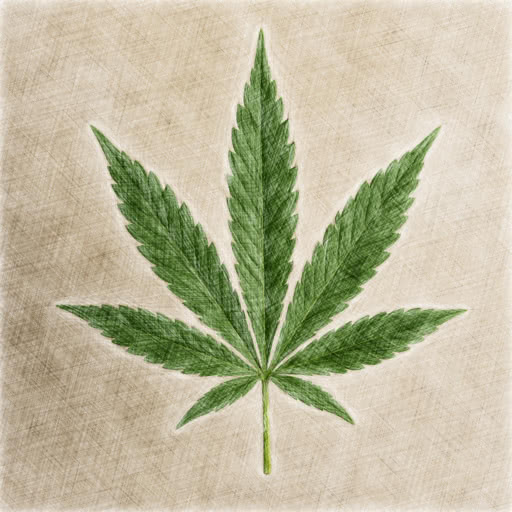
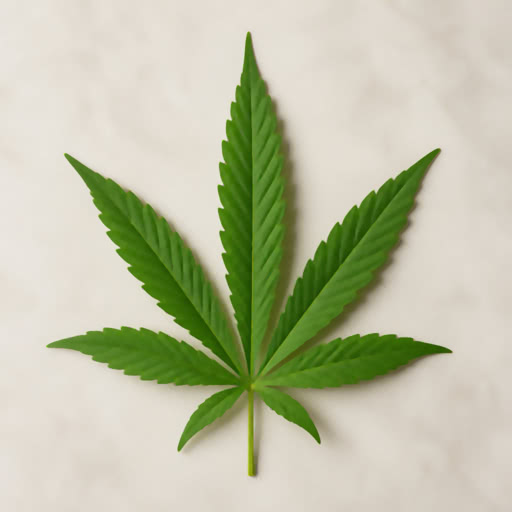
Cannabis is an angiosperm, meaning it produces flowers and fruits, and it is a dicotyledon with two embryonic leaves emerging during germination. Its compound leaves typically consist of several narrow, lance-shaped leaflets with toothed margins. Young plants often have fewer leaflets, while mature vegetative growth may produce leaves with five, seven or more leaflets. As the plant begins to flower, leaves near the inflorescences generally become smaller and less deeply divided.
The root system anchors the plant and absorbs water and mineral nutrients. A central primary root may develop alongside numerous lateral roots, creating the network responsible for stability and uptake below ground. Roots also store and transport resources, but they are not the main site of cannabinoid production. As in other vascular plants, the stem contains tissues that move water and minerals upward through the xylem and distribute sugars and other products of photosynthesis through the phloem. Fibrous, lignified tissues provide mechanical strength as the plant grows taller and supports branches, leaves and flowers.
Leaves are the plant’s main photosynthetic organs. Chloroplasts in leaf cells use light energy to convert carbon dioxide and water into sugars, releasing oxygen as a by-product. Small pores called stomata regulate gas exchange and water loss. The leaf surface also bears several types of hairs, or trichomes, including non-glandular structures that can help protect the plant and glandular structures that produce specialized chemicals.
The reproductive anatomy of cannabis is frequently misunderstood. The species is predominantly dioecious: male and female flowers are usually produced on separate plants, although some plants can develop flowers with both types of reproductive structures under particular genetic or environmental conditions. Male flowers produce pollen in loose, branched clusters. Female flowers are more compact and are enclosed by small leaflike bracts; each contains an ovary with a single ovule and develops two prominent stigmas that receive pollen.
What is commonly called a cannabis “bud” is not a single flower. It is a dense inflorescence made up of many small flowers, bracts and associated leaves. A detailed morphological study of female cannabis inflorescences describes these clusters as highly branched structures in which reduced leaves, bracts and individual flowers occur together. The green, purple or reddish colors sometimes seen in flowers and leaves are associated with pigments such as chlorophyll and anthocyanins, not with colorful petals like those found in many ornamental flowers.
After pollination, a female flower develops a dry, one-seeded fruit called an achene. The hard outer covering protects the seed, while the surrounding bract may remain attached as the fruit matures. Cannabis achenes do not contain a fleshy aril of the kind found in fruits such as lychees. In cultivated flower production, preventing pollination allows female inflorescences to remain seedless and directs more of the plant’s resources toward floral growth.
The most distinctive structures on cannabis are its glandular trichomes. These microscopic epidermal outgrowths are especially abundant on female flower bracts and the tissues surrounding the ovary. Stalked glandular trichomes consist of a secretory head raised above the plant surface. Cells in the head synthesize and release resin into a storage cavity beneath the cuticle. The resin contains cannabinoids, terpenes and other specialized metabolites.
A study of cannabis glandular trichomes and flower maturation found that stalked trichomes on mature flowers have distinctive secretory-cell arrangements and are associated with higher cannabinoid levels than many of the smaller sessile trichomes found on leaves and other tissues. The current botanical review of cannabis trichomes likewise identifies these resin-producing glands as the principal sites where cannabinoids and terpenes are produced and stored. Fresh plant tissue contains predominantly acidic cannabinoid forms such as THCA and CBDA; heat and other post-harvest processes can convert some of them into neutral forms such as THC and CBD.
Each part of the plant therefore has a distinct role. Roots provide anchorage and nutrient uptake, stems support the plant and transport materials, leaves capture light, flowers enable reproduction, achenes carry the next generation and glandular trichomes manufacture and store much of the resin associated with cannabis. Understanding these structures is useful for plant identification, breeding, cultivation and research—but it also requires precise terminology. The flowers are not bisexual by default, the fruit is not surrounded by fleshy tissue, and the plant’s cannabinoids are concentrated primarily in specialized trichomes rather than evenly throughout its anatomy.
For an accessible botanical reference, the University of Florida’s identification guide to Cannabis sativa summarizes the plant’s leaves, flowers, inflorescences and achene fruits, while the World Health Organization’s technical report on cannabis and cannabis resin provides additional microscopic detail on glandular trichomes and the plant’s reproductive structures.