CBD Emerges as a Promising Mosquito Larvicide

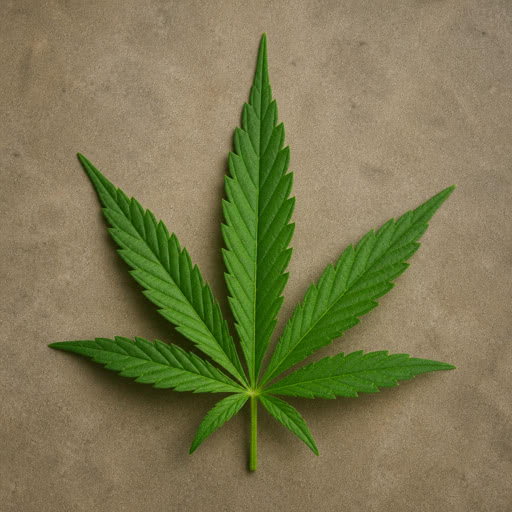
A 2024 study found that hemp leaf extract and cannabidiol (CBD) can kill larvae of Aedes aegypti, the mosquito species that spreads dengue, yellow fever, Zika and chikungunya. The laboratory results included a strain resistant to pyrethroid insecticides, suggesting that hemp-derived compounds could eventually contribute to mosquito-control tools with a different mode of action.
The research, published in the journal Insects by researchers at The Ohio State University, examined first-instar larvae from pyrethroid-susceptible and pyrethroid-resistant mosquito strains. The team tested methanol extracts made from hemp leaves and then analyzed the extracts to determine which compounds were responsible for their toxicity.
Hemp extract produced concentration-dependent mortality in both mosquito strains within 48 hours. Its median lethal concentration was approximately 4.4 parts per million for the susceptible strain and 4.3 parts per million for the resistant strain—values that were not significantly different.
Further chemical analysis indicated that CBD was the extract’s primary active compound. When the researchers tested purified CBD separately, it also killed larvae from both strains in a concentration-dependent manner. The compound’s median lethal concentration was below 1 part per million in the reported assays.
These findings are important because insecticide resistance can weaken the effectiveness of established mosquito-control chemicals. The World Health Organization’s guidance on monitoring insecticide resistance emphasizes the need to track resistance and develop or select interventions that remain effective against resistant mosquito populations.
However, the study does not show that CBD is ready for use in yards, wetlands or public-health programs. The experiments were conducted in the laboratory using mosquito larvae placed in treated water. They did not test how the compound performs under field conditions, how long it remains active in natural habitats, or whether it affects adult mosquitoes or disease transmission.
The study also did not establish how CBD kills mosquito larvae. The authors noted that insects do not have the canonical cannabinoid receptors found in mammals, leaving the compound’s biological target and mode of action unresolved. Identifying that mechanism could help researchers determine whether CBD offers a genuinely different strategy for overcoming pyrethroid resistance.
Environmental safety is another unanswered question. A substance that is toxic to mosquito larvae could also affect aquatic invertebrates, beneficial insects or pollinators, depending on how it is formulated and applied. The U.S. Environmental Protection Agency’s ecological risk-assessment framework evaluates potential effects on non-target organisms, including aquatic species and insects that a pesticide is not intended to kill. The agency also uses specific procedures to assess risks to bees and other pollinators.
CBD has previously been associated with antifeedant, developmental and toxic effects in some agricultural pests, but those findings do not automatically establish that it is broadly effective—or environmentally preferable—as a pesticide. Formulation, dose, exposure route and persistence can substantially change a compound’s effects.
For now, the Ohio State study supports further investigation rather than immediate agricultural or household use. Hemp extracts and CBD may provide useful starting points for developing new mosquito larvicides, particularly where resistance limits existing options. Before that potential can be realized, researchers will need to clarify the mechanism of toxicity, assess impacts on non-target organisms and evaluate performance under realistic field conditions.